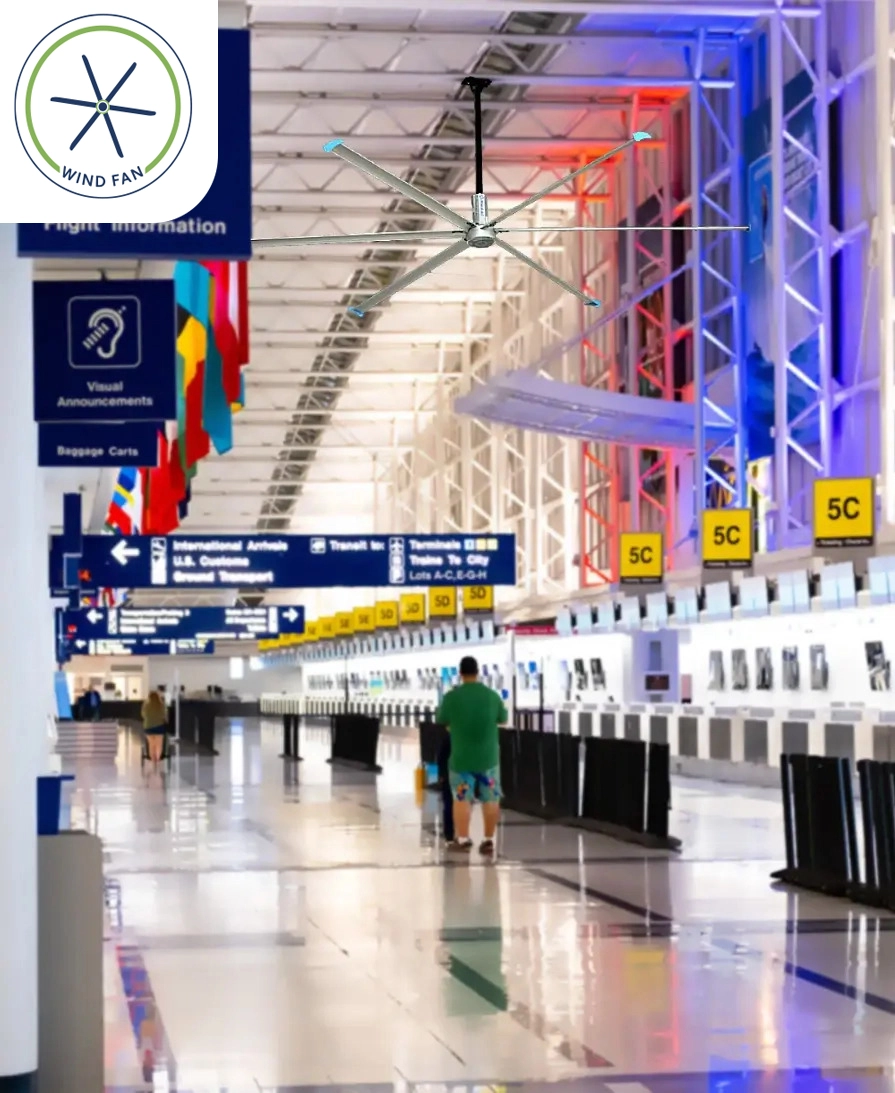
Upgrade railway and bus stations with high-performance HVLS fans
Enhance comfort and airflow in railway and bus stations with advanced hvls fans solutions. During peak hours—particularly in the summer—heavy crowds can cause temperatures to rise quickly, making platforms and waiting areas uncomfortable. Since most railway and bus stations are located in congested city centers with limited natural ventilation, managing heat and air quality becomes a major challenge.
HVLS fans deliver a gentle, non-intrusive airflow that improves air circulation, reduces stuffiness, and enhances overall ventilation across large spaces. Designed to move high volumes of air at low speeds, these fans provide consistent cooling without creating discomfort.
HVLS Fans for Railway & Bus Station
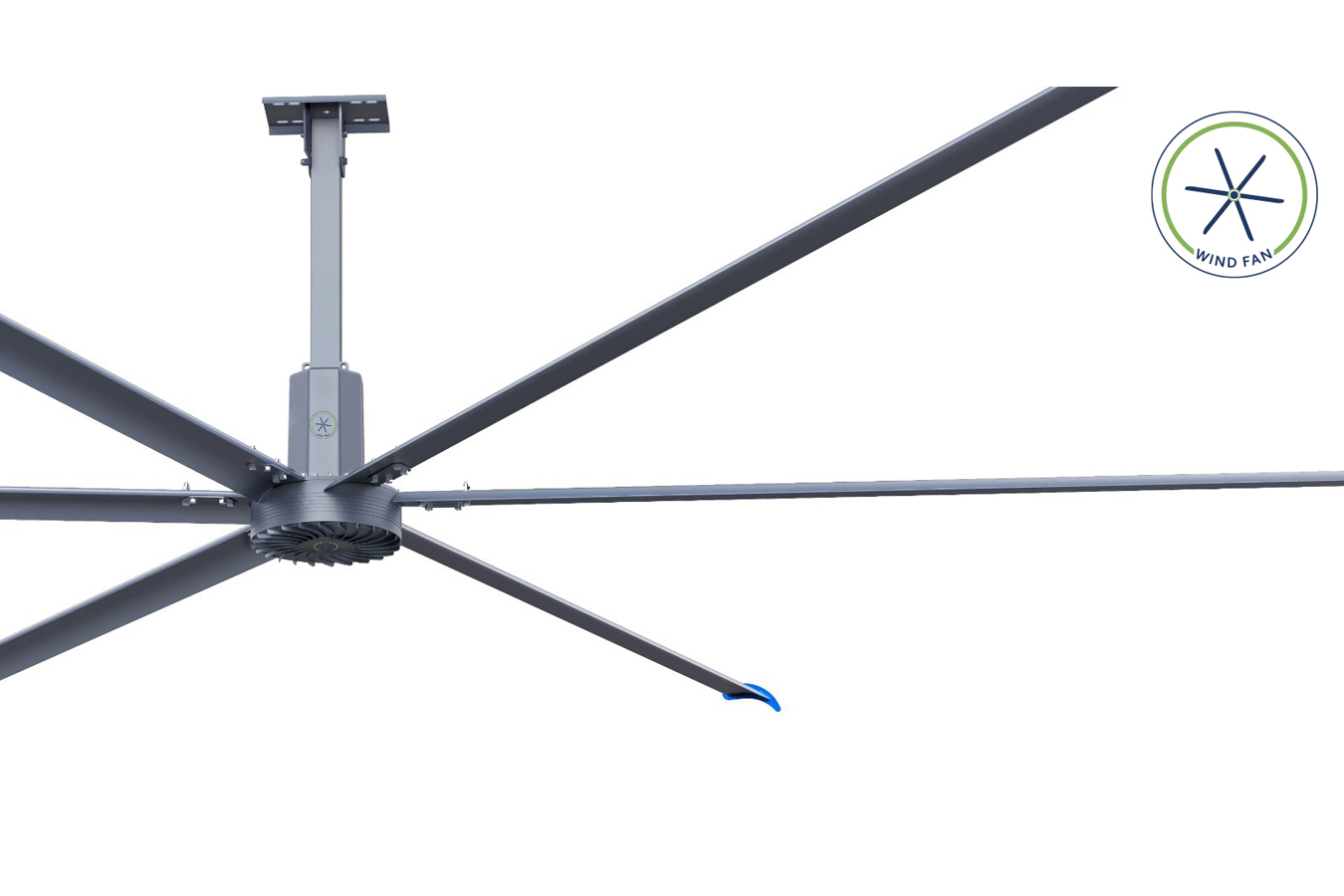
HVLS fan - Wind- 7
Best for: Large concourses, baggage halls, cargo sheds, hangars
HVLS fan - Wind- 6
Best for: Check-in halls, lounges, food courts, terminal zones
HVLS fan - Wind- 5
Best for: Medium-large airport zones, MRO areas, service halls
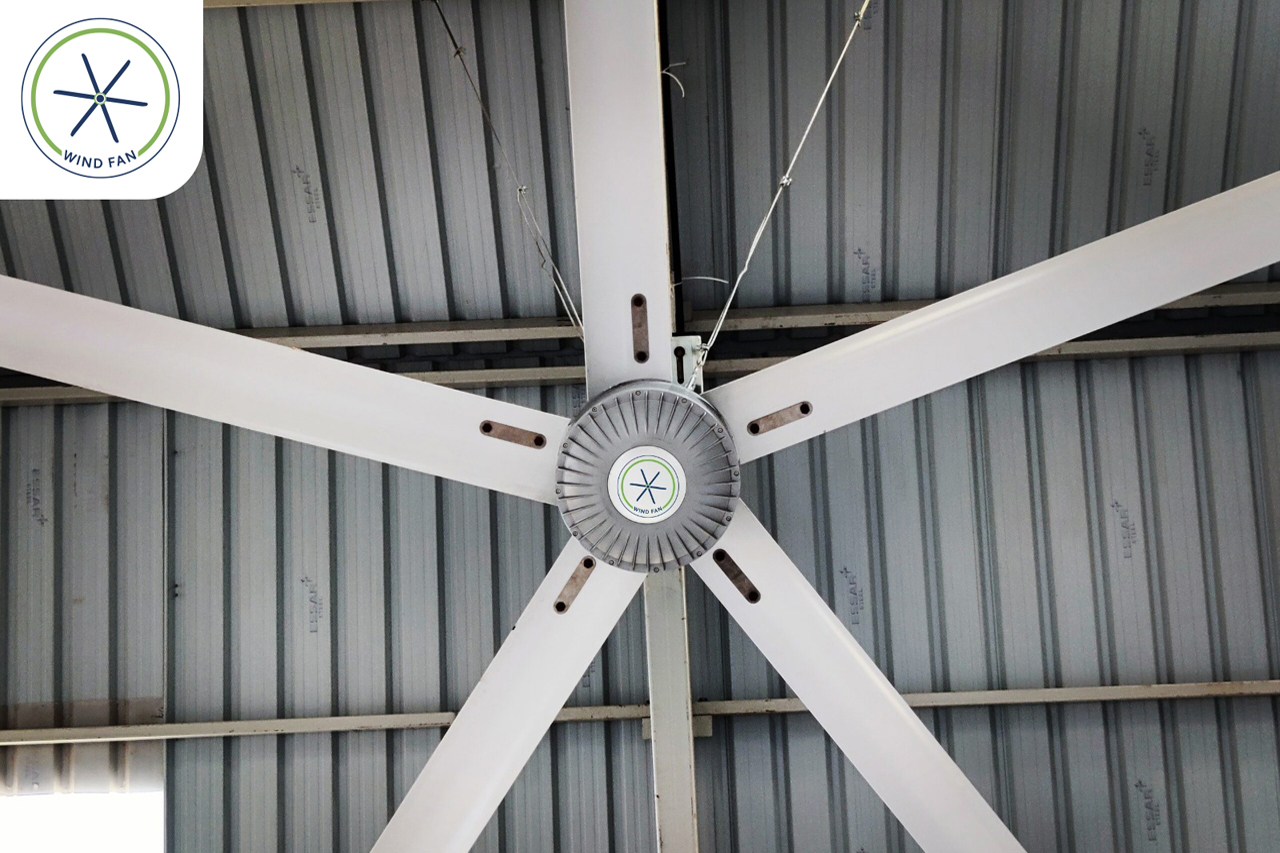
How HVLS Fans Help in Railway & Bus Station
HVLS fans use large-diameter blades to move a high volume of air at low speeds, creating uniform airflow across expansive public transport spaces. This wide-area air movement improves comfort, enhances air distribution, and reduces hot spots and “dead zones” in large, high-ceiling areas such as platforms, terminals, and concourses. The result is a cooler, more comfortable environment for passengers and staff, with consistent airflow that supports better ventilation and overall air quality.

How to Choose the Right HVLS Fan for Railway & Bus Stations
Selecting the right HVLS fan depends on ceiling height, station area size, ventilation planning, noise requirements, and operating duty cycle.

Ceiling Height & Clearance
Choose a fan size that matches the ceiling height and ensure adequate mounting clearance for safe operation in station environments.

Zone Size & Footfall
Fan coverage should align with the total area (sq. m) and passenger volume, especially during peak hours.

Ventilation Layout & Airflow
Position HVLS fans to support natural ventilation or HVAC systems, improving airflow direction and overall air distribution.

Noise Levels & Duty Cycle
Select low-noise models for waiting areas and high-durability fans designed for continuous, long-hour operation.
What clients Say About Us
Trusted by Industry Leaders






HVLS Fans for Railway & Bus Stations – FAQs
HVLS fans work best in platforms, waiting areas, ticketing zones, concourses, maintenance areas, and baggage or parcel sections where wide-area airflow is required.