The workplace can seem relatively safe, where machines and systems operate properly and everything seems fine. However, the most dangerous thing is what is invisible. Slowly but surely, air filled with dust, fumes, and particles starts filling the atmosphere of a workplace and influencing the health of the personnel.
Although it may feel tolerable at first, the consequences will be more severe in the future. The heaviness of the air is already a signal about it.
If you have ever wondered why there were some safe and fresh-feeling workplaces and other exhausting ones, the reason is the way of air quality control.
Different Types of Industrial Air Contaminants
Different industrial environments generate various air contaminants such as dust from cutting, fumes from welding, vapours from chemical products, and gases during the process of combustion.
However, without proper devices, those particles won’t go anywhere. They will remain in the air, spreading all around the work area. Gradually, they will stay in the breathing zone of workers and be inhaled continuously.
That is why air quality becomes an urgent issue, especially in enclosed environments with limited circulation.
Negative Effects of Poor Ventilation on Workers’ Health
Not only discomfort, but poor ventilation directly influences workers’ health. Irritation of the eyes, throat, and lungs is one of the first symptoms which occur in such an environment.
What is more dangerous is that the effects develop progressively. Inhaling polluted air regularly, workers start suffering from chronic respiratory disorders.
Because of that, poor air quality can become the source of health risks, both personal and organisational ones.
Advantages of the Proper Exhaust Systems
With the help of a proper exhaust system, harmful particles will be removed right from the source. As a result, workers breathe clean air and feel comfortable during the whole shift.
In addition to that, the air of such quality will decrease the number of workers’ health problems, which can lead to absence from work.
Productivity is another important advantage of proper exhaust systems because the favourable environment allows focusing better on performing tasks.
Main Components of the Proper Exhaust System
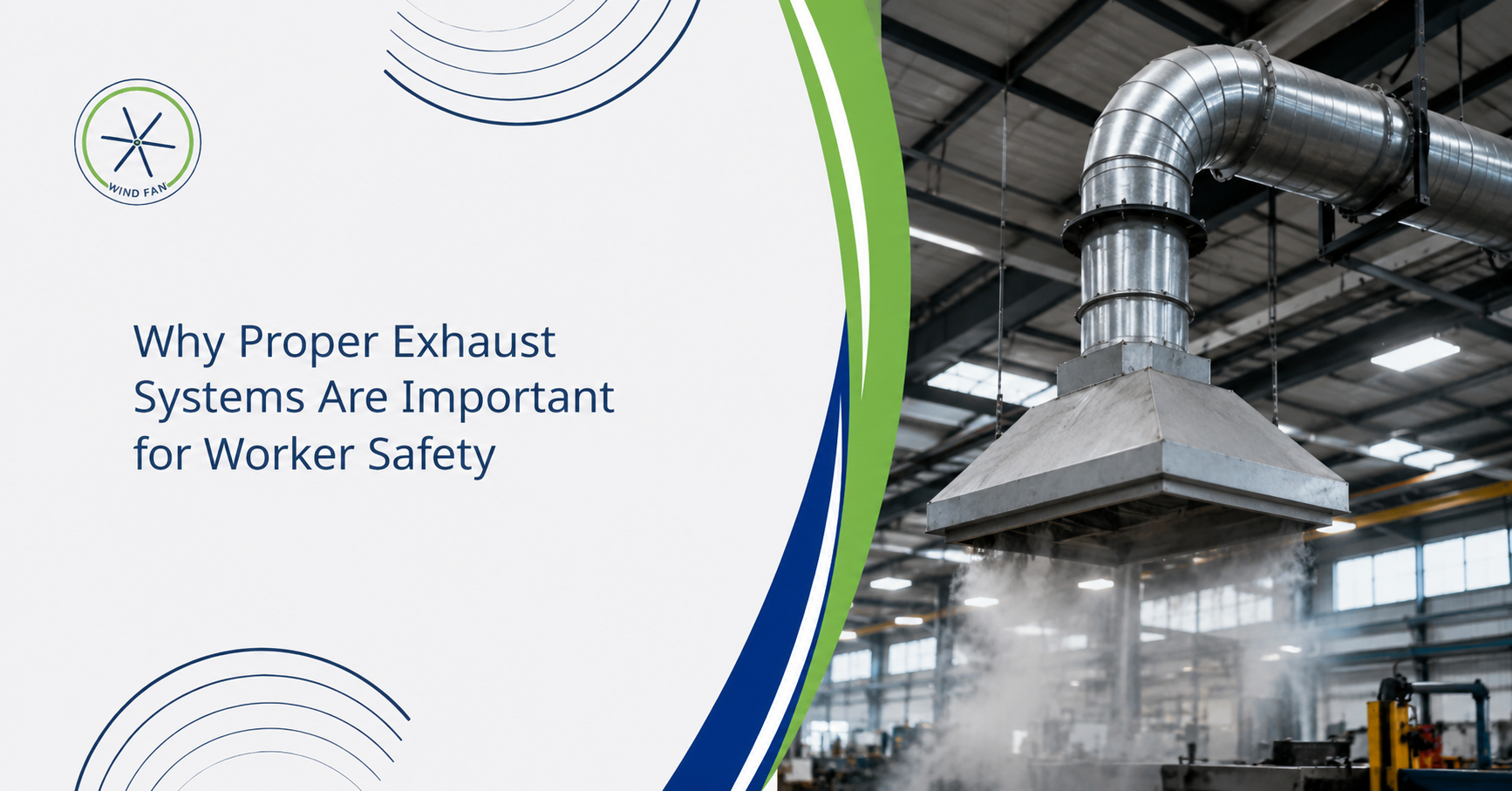
There are several components which ensure the proper functioning of the exhaust system. Firstly, it collects the air from the source with the help of capture hoods.
Secondly, ductwork takes away contaminated air from the work area. Filtration units remove harmful particles from the air before its release, and exhaust fans provide continuous airflow. Besides that, a monitoring system controls the performance of the whole system.
Thus, thanks to this combination of devices, the proper exhaust system guarantees the maintenance of good air quality in any conditions.
Why Compliance with Safety Standards Is Necessary?
Workplace safety standards are connected with air quality, and the exhaust system helps to comply with these requirements, providing control of exposure to hazardous substances.
Following safety standards not only will avoid any fines but will show employees that their well-being is important.
Conclusion
A proper exhaust system is not just equipment. It is an essential part of workplace safety, helping to remove harmful air and reduce health risks.
If the air is managed properly, workers remain healthy, focused and productive. Thus, the proper exhaust system provides a more reliable workplace.
Wind Fan provides reliable exhaust systems to improve air quality and provide workplace safety.
Faq’s
1. What is the main purpose of an industrial exhaust system?
It removes dust, fumes, gases, and vapours at the source, keeping the breathing zone clean and reducing worker exposure to airborne contaminants.
2. How do I know if my workplace ventilation is inadequate?
Common signs include a heavy or stuffy atmosphere, visible haze or odour, and workers reporting eye, throat, or respiratory irritation.
3. Can poor exhaust systems lead to long-term health issues?
Yes. Prolonged exposure to unfiltered dust and fumes can lead to chronic respiratory disorders over time.
4. What components make up a proper exhaust system?
Capture hoods, ductwork, filtration units, exhaust fans, and a monitoring system that together maintain consistent air quality.
5. Does a good exhaust system help with regulatory compliance?
Yes. It helps control hazardous substance exposure levels, keeping workplaces aligned with safety standards and avoiding penalties.